

Criminal deforestation, big meat business and money laundering
JBS and 12 of its financial backers face new money laundering allegations.
Video credit: Remi Cans
Following the money along the cattle supply chain in the Brazilian Amazon
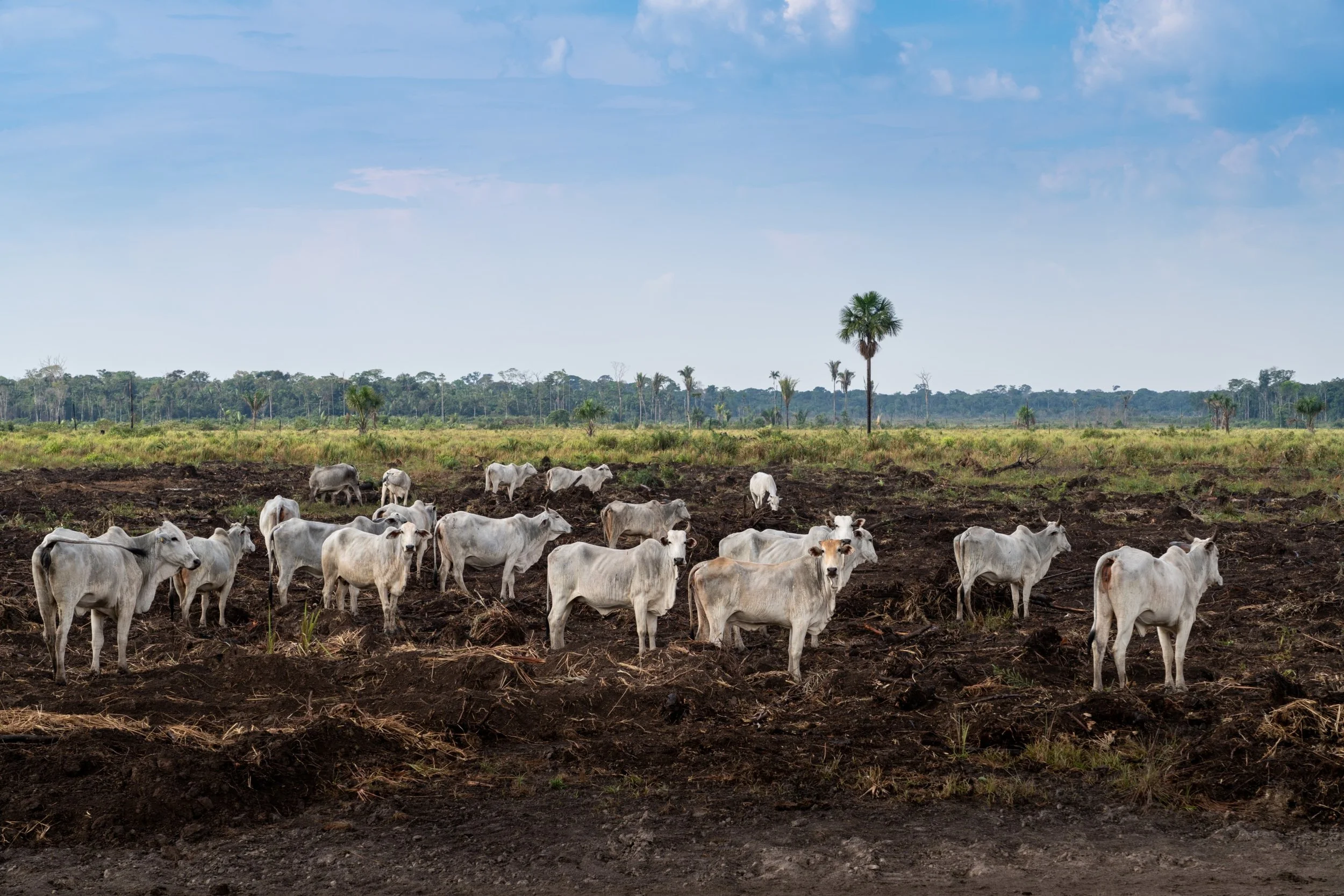
Cattle ranching has been the single biggest driver of decades of deforestation in the Brazilian Amazon rainforest - and there is an extensive body of evidence of such deforestation in the supply chain of JBS, the world’s largest meat processor.
The global demand for beef and the clearing of Amazon rainforest have impacted Indigenous Peoples for decades. Forcing communities from their own territories, destroying their lands, homes, livelihoods and cultures, as well as fuelling the global climate and biodiversity crises.
The complaints
The Transnational Legal Coalition (TLC) has filed 14 coordinated legal complaints against JBS and 12 of its key financiers and enablers, including banks, asset managers, and law and accountancy firms, concerning alleged money laundering offences. Money laundering is the handling, transferring, concealing (etc.) of property or money that is the proceeds of crime.
The complaints filed in the Netherlands, Ireland, the UK and Germany, aim to push regulatory authorities in these countries to investigate suspected money laundering linked to criminal deforestation. In relation to JBS’s financial and professional service providers specifically, the complaints seek an investigation of suspected failures to comply with due diligence and reporting obligations under existing anti-money laundering (AML) laws.
The evidence
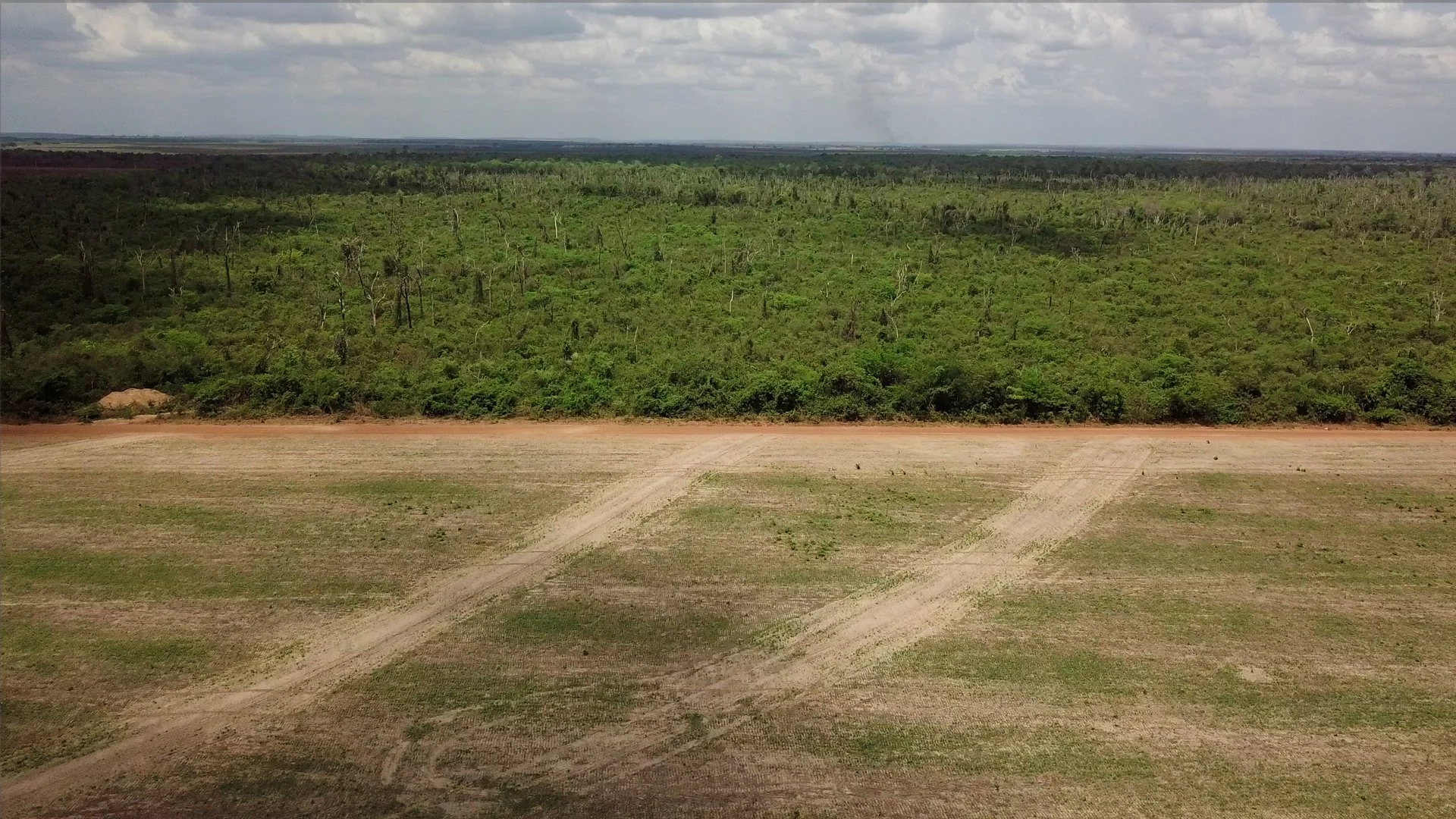
For over two years, the TLC has investigated and analysed a vast body of evidence connecting the meat processor JBS to decades of illegal deforestation and land grabbing of Indigenous territories in the Brazilian Amazon. A new report commissioned by the TLC from AidEnvironment shows JBS can be linked to over 6.5 million hectares of deforested land between 1988 and 2026, through its direct and indirect suppliers.
Most of this deforestation is not only illegal, but as it overlaps with huge swathes of special legally protected areas, is criminal under Brazilian environmental law - and in the four European jurisdictions where the complaints have been filed.
“We have consistently called on the federal government to intervene and put a stop to the environmental crimes being committed without restraint by JBS. Now, we are also fighting to ensure that international laws are applied. If these criminal profits are being invested in Europe, then justice will be pursued there as well.”
Alcebias Sapará, the Executive Coordinator at APIB (Articulation of Indigenous Peoples of Brazil) representing COIAB (Coordination of the Indigenous Organizations of the Brazilian Amazon)
AML argument:
The TLC argues that under anti-money laundering (AML) laws, the cattle raised on criminally deforested land, and therefore money generated from their sale, constitutes the 'proceeds of crime'. Anyone who handles these proceeds, or who is involved in JBS’s complex global meat supply chain risks committing a money laundering offence.
Banks, asset managers, accountants and lawyers in Europe are legally required to carry out enhanced due diligence on high-risk clients and to report suspected money laundering – wherever proceeds could derive from criminal activity.
There is extensive publicly available evidence of criminal deforestation in JBS’ Brazilian cattle supply chain. This is why the TLC has filed a criminal complaint against JBS’s parent company, which was recently established in the Netherlands. The TLC is asking the Dutch Public Prosecution Service to open an investigation into JBS N.V. and, ultimately, to bring charges against the company for money laundering – specifically, for handling the proceeds of criminally deforested land in the Amazon.
The risk of money laundering travels along with any funds generated as they flow across global financial markets – given the size and volume of JBS's business and supply chains – this is a global issue. The TLC’s additional twelve complaints target global financial institutions that lend to or invest in JBS, as well as the company’s lawyers, accountants and auditors in the Netherlands. These complaints rely on AML legal frameworks common to all EU member states – as well as the UK. Essentially, this framework requires those operating in the “regulated sector” – including financial institutions, lawyers and accountants – to conduct enhanced due diligence for AML purposes on customers and transactions which carry a high risk of money laundering. It also requires them to report suspected money laundering to the relevant authorities. In fact, failing to report such suspicions can constitute a criminal offence, both for the company and its individual officers and employees.